 Live Preview
← All Templates
Live Preview
 Live Preview
 Live Preview
Ecommerce
Shelfline — Free Ecommerce Template for Framer
Shelfline is a free 11-page ecommerce Framer template for list-first Shopify-style shops with Cart and Wire Up. Skip it if you need product CMS at scale.
freeframerecommerceshopifyretailshelfline
Shelfline is a free eleven-page ecommerce Framer template built for a list-first product shop, not a single-product landing. Home, Shop, Shelves, Collections, About, Journal, Contact, Faq, Shipping, Cart, and Wire Up are static routes with no CMS. Skip it if you need CMS product singles, search, and wishlists at launch. Wovn ships that catalog depth. More free Framer templates sit on the hub, or start with the ecommerce shortlist.
Who should remix Shelfline?
Shelfline fits founders and small retail teams who think in shelves and collections before they think in enterprise PIM software. The Shelves route gives you a editorial merchandising lane, Collections groups seasonal drops, and Cart plus Wire Up acknowledge you still need checkout plumbing even in a Framer prototype. Journal and About carry brand story without bloating Shop.
Walk away if you are launching hundreds of SKUs with variant matrices and onsite search on day one. Shelfline will become a duplication chore fast. Compare Wovn when Product, Category, and Search pages matter more than a lean list UI. Service businesses pretending to be shops should pick a marketing template from another niche instead of fighting Cart frames.
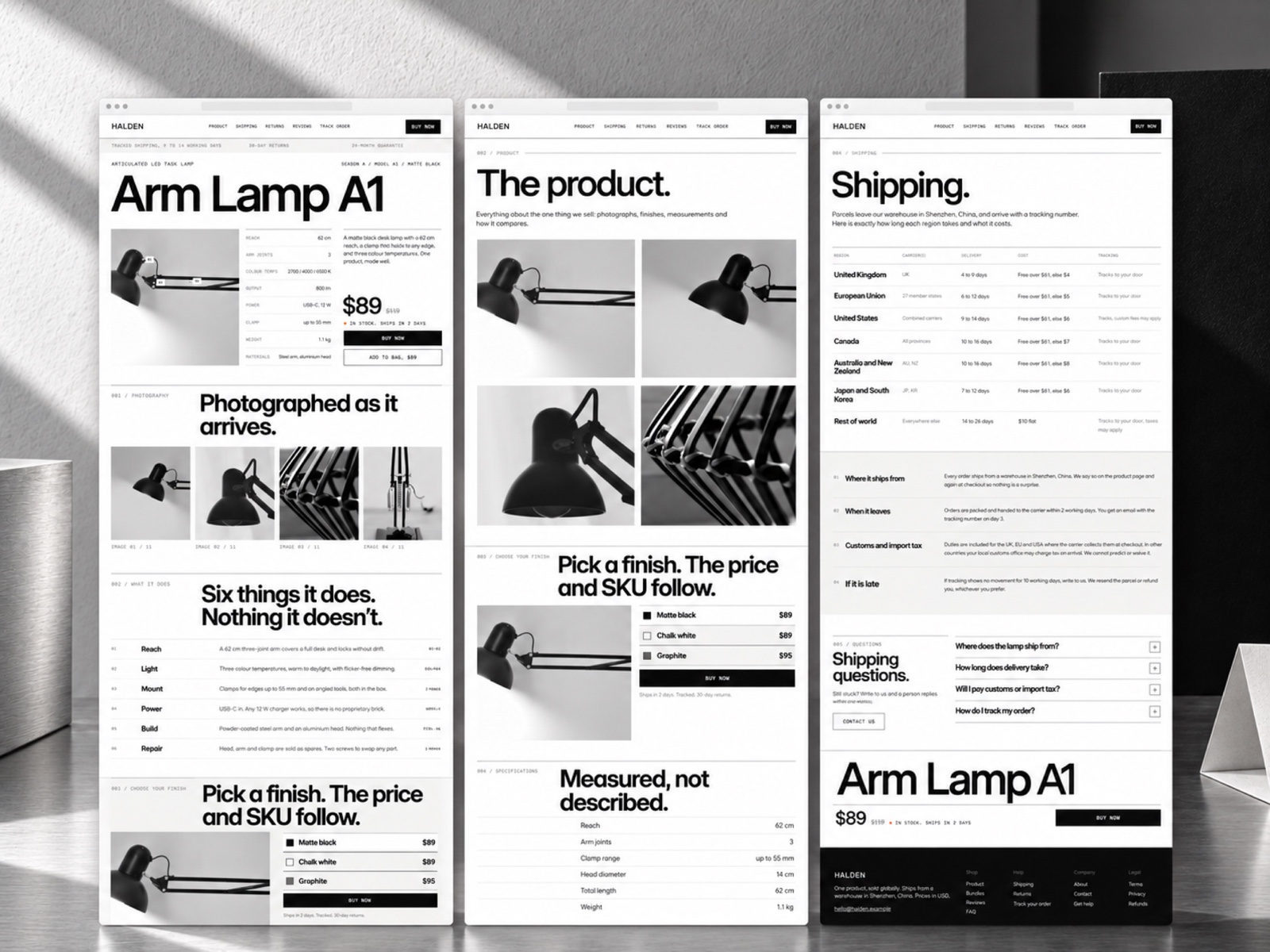
What Shelfline looks like
The understanding-emoji preview reads retail-clean: product rows, restrained typography, and whitespace that keeps SKU titles legible on mobile checkout anxiety. Imagery slots expect pack shots or flat lays rather than lifestyle hero films. The vibe is closer to a curated Shopify theme demo than a luxury lookbook.
Motion stays minimal so price and size stay scannable. The honest fight is catalog scale. Shelfline assumes you can manually curate what appears on Shelves and Collections each season. Flash-sale brands that rotate inventory hourly will chafe unless they pipe data in through Wire Up embeds or external carts.
Pages included in Shelfline
Eleven pages, named as Framer lists them:
- Home: store positioning, featured collections, and paths into Shop or Shelves
- Shop: primary product listing or catalog index visitors browse before Cart
- Shelves: themed product rows or editorial lists that mimic physical shelf merchandising
- Collections: grouped drops, seasons, or capsules with shared visual treatment
- About: brand origin, materials story, and trust cues for first-time buyers
- Journal: launches, restocks, or short posts that should not live on product cards
- Contact: support, wholesale inquiries, and form capture
- Faq: shipping, returns, and sizing answers buyers scan before checkout
- Shipping: delivery timelines, regions, and policy detail linked from Faq
- Cart: basket review layout you wire to Framer commerce or an external checkout
- Wire Up: integration notes or embed space for Shopify, Stripe, or inventory hooks
Cart plus Wire Up is the signal this file expects real commerce wiring, not decorative buttons.
What is distinctive about Shelfline
- Shelves route separate from Shop. Merchandising lists get their own URL instead of overcrowding the main catalog index.
- Collections grouped beside Shelves. Seasonal storytelling without rebuilding navigation each drop.
- Dedicated Wire Up page. Honest place for checkout embed instructions instead of hiding notes in component overrides.
- Shipping and Faq split. Buyers find policy detail without cluttering Contact.
- Eleven-page retail map without CMS. Faster remix when SKU count is modest and you accept manual updates.
Framer breakpoints and form components ship with the platform. They are not reasons to pick Shelfline over another shop remix.
When to remix Shelfline, and when to skip
Remix Shelfline when you are testing list-first merchandising, you have a small catalog, and you already know how Wire Up will connect to your payment stack. The author profile points to John Nicholson on Framer; treat Shelfline as a structured retail starter, not production-ready inventory software.
Skip it when you need CMS product detail pages, search, and wishlists without hand-duplicating frames. That is Wovn. Skip it when you only sell one hero SKU. Compare simpler product pages on the ecommerce shortlist or return to free Framer templates on the hub.
Frequently Asked Questions
Quick answers about Shelfline, including pricing, CMS support, responsiveness, and who it is built for.
-
What kind of website is Shelfline best for?
- Shelfline is a free eleven-page ecommerce layout built around Shop, Shelves, Collections, Cart, and Wire Up for connecting payments or inventory. It suits founders testing merchandising flows without CMS collections. Larger catalogs should remix Wovn from the same niche.
-
Is Shelfline free to remix?
- Yes. Shelfline is a free Framer marketplace template. Remix it at no charge and wire your own checkout or Shopify embed on the Wire Up page. Publishing still follows Framer hosting plans.
-
Does Shelfline include a CMS?
- No. Product grids and collection pages are static frames you duplicate or connect via embeds. That keeps the file approachable, but scaling SKUs means more manual layout work or external commerce tooling.
-
When should I skip Shelfline?
- Skip Shelfline when you need CMS product detail routes, search, and wishlists out of the box. Wovn covers that depth. Browse the ecommerce roundup from the listing body if you are still comparing cart flows.
Featured in our Ecommerce roundup
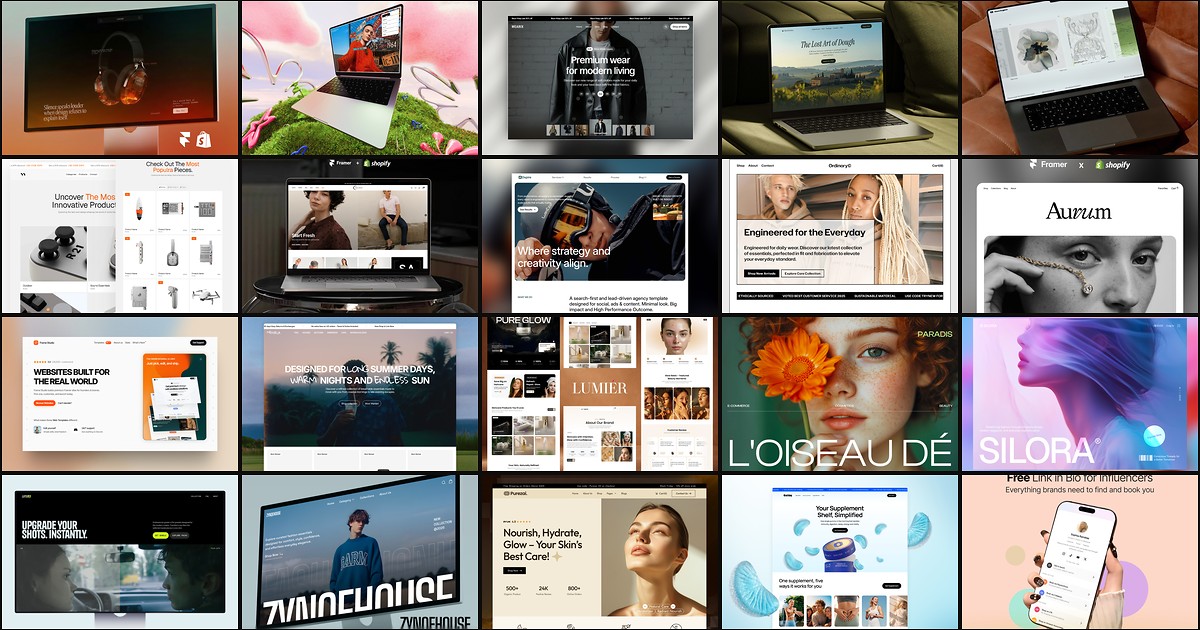
20 Best Free Ecommerce Framer Templates in 2026
Online shoppers abandon stores that bury product proof, hide shipping details, or force checkout through confusing navigation. These 20 free Framer ecommerce templates ship the shop routes, CMS collections, and conversion sections indie brands need without a custom build.
More Ecommerce templates
View all Ecommerce templates
Live Preview
Live Preview
Arlow — Free Ecommerce Template for Framer by Bright Ajiboye
by Bright Ajiboye
Live Preview