
TL;DR — On July 3, 2026, Framer added Fable 5 to the Agents model lineup — the most proactive model Framer has tested. It sets up styles, reuses elements across your site, and delivers polished first drafts when you design from scratch. Framer’s evals put it at 83% overall (ahead of Opus 4.8 at 77%) and 81% on design, with stronger shader and subtle animation work than Sonnet or Opus. Credit cost runs at 2× GPT 5.5 — roughly 3.3× Sonnet 5.
Framer’s announcement is short; this article adds workflow context for teams already running Agents on the canvas — when Fable 5 earns its credit premium, how its proactive style behavior differs from Sonnet 5, and how to test it on real projects without burning credits on empty files.
Fable 5 at a glance
| Dimension | Sonnet 5 (everyday co-design) | Fable 5 (proactive creative) |
|---|---|---|
| Working style | Strong partner for scoped edits | Goes beyond the brief — sets styles, reuses elements |
| Greenfield output | Good with real structure in place | Polished first results with finishing touches from scratch |
| Creative work | Solid layout and type | Shaders and subtle animations noticeably stronger per Framer |
| Framer eval — overall | 90% accuracy (Sonnet-specific metric) | 83% overall |
| Framer eval — design | — | 81%, leading every model tested |
| vs Opus 4.8 overall | — | 83% vs 77% |
| Credit cost vs GPT 5.5 | 0.6× | 2× |
| Credit cost vs Sonnet 5 | Baseline | ~3.3× |
| Task type | Good Fable 5 fit | Keep Sonnet 5 instead |
|---|---|---|
| New marketing site from a brief | ✓ | Single-section typography tweak |
| Shader hero with motion polish | ✓ | CMS copy pass on ten draft rows |
| Style system setup across pages | ✓ | Quick pricing table alignment |
| Reusing components site-wide | ✓ | One-off FAQ rewrite |
What Fable 5 changes in Framer Agents
1. Proactive style setup, not just layer edits
Framer calls Fable 5 the most proactive model it has tested. That shows up when Agents establish Text Styles, color tokens, and spacing rhythms before you ask for page two — behavior closer to a senior designer who thinks in systems than a model that paints one frame at a time.
For agencies, that matters on greenfield client branches where inconsistent type scales used to require a manual cleanup pass after every Agent session.
2. Element reuse across the site
Fable 5 reuses elements across your site instead of cloning slightly different heroes on every route. Buttons, cards, and section shells stay visually aligned when you prompt for additional pages — reducing the “five different primary CTAs” problem that plagued early Agent workflows.
Pair this with Branching so you review a coherent system on staging before merge.
3. Shaders and subtle animation quality
Framer specifically highlights creative work like shaders and subtle animations as a Fable 5 strength — noticeably better than Opus or Sonnet in their testing. That aligns with Framer’s shader push this year: Holo, the Insert panel Shaders library, and Logo Shaders.
If your brief includes motion-forward hero art or WebGL-style surfaces, Fable 5 is the model Framer is betting on — not the cheapest option, but the one tuned for creative finishing.
4. Eval scores and credit math
Framer published internal numbers: 83% overall, beating Opus 4.8 at 77%, with 81% on design — the top design score in their latest eval suite. Credit burn sits at 2× GPT 5.5 and roughly 3.3× Sonnet 5.
Treat Fable 5 as a premium creative slot: run it on high-visibility pages where polish and system thinking justify the burn, then switch back to Sonnet 5 for high-volume copy and layout passes.
5. Who benefits most
- Studios shipping launch sites from briefs who want fewer manual style cleanups
- Designers experimenting with shader-heavy heroes without round-tripping through motion tools
- Founders who need a credible first draft before investing in custom art direction
- Teams already comfortable with Agents who want system-level thinking on multi-page prompts
How to select Fable 5 in Framer
- Open a project — Fable 5 shines on greenfield or lightly structured files where it can propose a style system.
- Launch Agents from the Framer 3.0 editor (Agents product page for UI reference).
- Open the model picker and select Fable 5 alongside Sonnet 5, Opus, and GPT options.
- Create a branch before multi-page prompts — keep
mainclean until staging matches client expectations. - Write a brief with constraints — brand adjectives, page list, and one creative anchor (e.g. “shader hero, calm body type”) so proactive behavior stays on-brand.
- Compare against Sonnet 5 once on the same prompt — judge whether the credit premium shows up in style reuse and creative polish.
- Merge or discard from the branch changelog when the staging URL is client-ready.
If you automate outside the app, External Agents remain separate — Fable 5 availability applies to Framer’s in-app Agent stack per the July 3 release notes.
Three workflow recipes to try this week
Greenfield marketing site from a one-paragraph brief
A startup needs Home, Pricing, and About live on a branch before a demo — you have positioning copy but no design system yet.
- Remix a lean template (see picks below), branch, and select Fable 5 in the model picker.
- Prompt: build three pages from the brief, establish one display + one body Text Style, reuse button and card components across routes.
- Review staging for style consistency and finishing touches before merging — discard if type scales drift page to page.
Shader hero with subtle motion polish
Your launch hero needs an iridescent shader surface and gentle scroll motion — manual shader tuning is eating the afternoon.
- Open a project with an existing hero frame or remix a bold template like Breezzy on a branch.
- Ask Fable 5 to add a shader-forward hero using Insert-panel Shaders, keep typography legible, and add subtle entrance motion.
- Preview on mobile hardware, then merge only if GPU cost and copy hierarchy stay acceptable.
Multi-page style reuse after a messy Agent pass
An earlier Agent session left five pages with mismatched cards and buttons — you need system alignment without rebuilding manually.
- Select Fable 5 on a branch and list the pages that need harmonization.
- Prompt: audit components, propose one card and one CTA pattern, apply consistently without changing CMS slugs.
- Diff the branch changelog, spot-check Pricing and Blog routes, then merge if reuse looks intentional.
Framer templates to stress-test with Fable 5
These remix-friendly files give Fable 5 real pages and creative hooks — the fastest way to feel whether the proactive style behavior and shader strength justify the credit premium.
 Live Preview
Revior · Five-page SaaS shell with CMS blog
by OneFramer
Revior’s SaaS-shaped sitemap plus CMS blog gives Fable 5 enough routes to practice element reuse and polished first drafts without starting from a blank file.
- Best for
- Greenfield passes where Fable 5 can set a style system across Home, Pricing, and Blog
 Live Preview
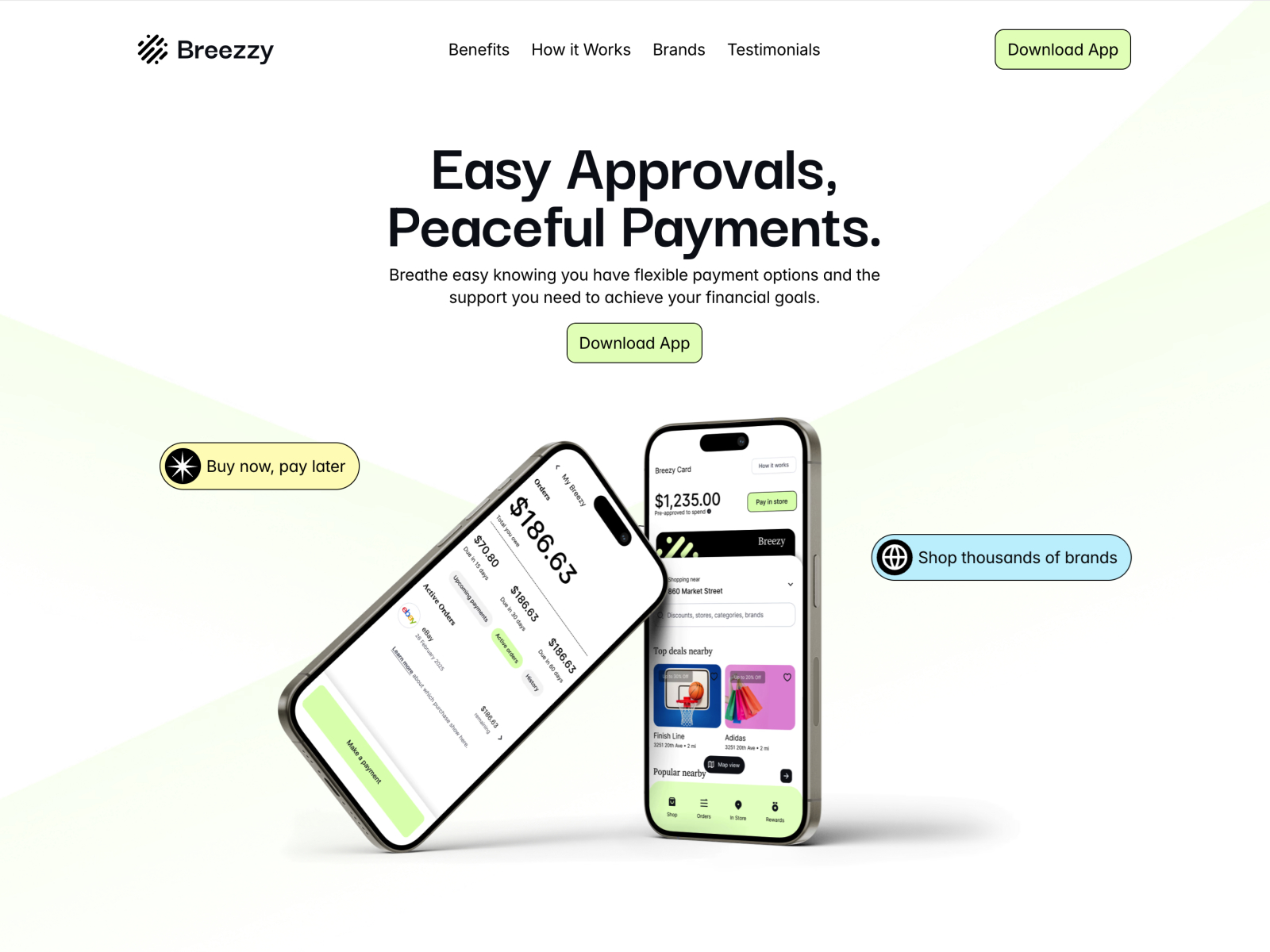
Breezzy · Neobrutalist fintech landing with bold motion
by Mainnet Design
Breezzy’s punchy neobrutalist shell is ideal when you want Fable 5 to push motion and visual energy on a tight two-page footprint.
- Best for
- Testing shader and animation quality on a high-contrast hero where creative finishing shows fast
 Live Preview
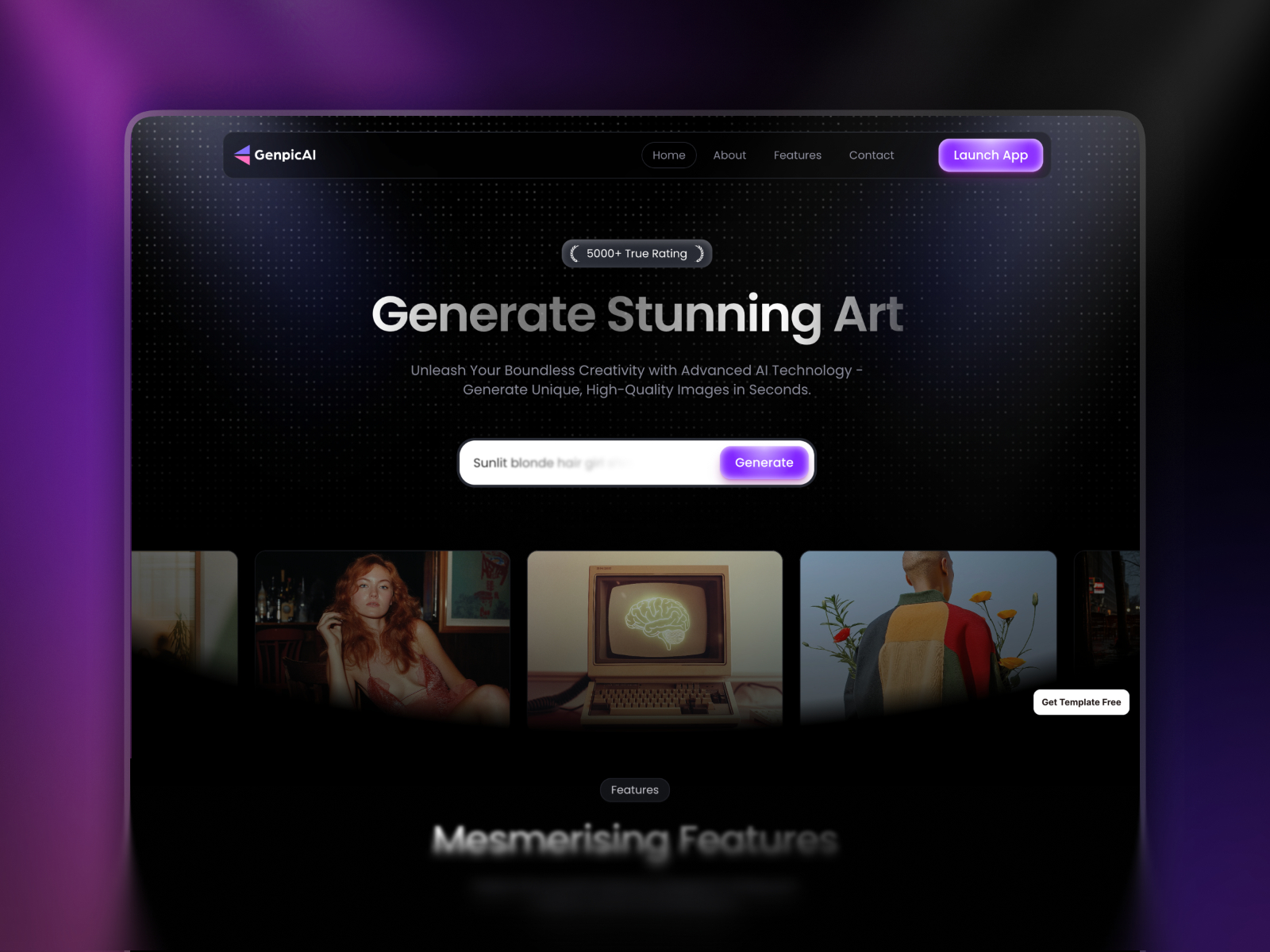
GenpicAI · Lean AI product site in six pages
by Jitu
GenpicAI concentrates AI product narrative on a small sitemap — a realistic brief for Fable 5’s greenfield polish without a credit-heavy enterprise file.
- Best for
- Founders benchmarking proactive Agent behavior on AI positioning and hero art direction
Browse more in the template directory or our best free design Framer templates in 2026 roundup.
Official Framer resources worth bookmarking
- Fable 5 release notes — canonical announcement (July 3, 2026).
- Sonnet 5 release notes — lower-credit co-design alternative in the same picker.
- Framer Agents — task examples and model picker context.
- AI credits and pricing — plan changes tied to Agent usage.
- All Framer updates — adjacent releases including shaders and Framer 3.0 Agents.
More reading on yoframer
- Framer updates hub — editorial coverage of each major Framer release.
- Framer Sonnet 5 for Agents — when to save credits on everyday edits.
- Submit a template or resource — if you ship Agent-friendly starter files.
The bottom line
Fable 5 is Framer’s premium creative Agent — proactive style setup, cross-page reuse, and the strongest design eval score in Framer’s latest tests, with shader and animation work that Sonnet and Opus did not match in their comparisons. It costs 2× GPT 5.5 credits, so treat it as a launch-week model: branch once, run a greenfield or hero prompt on a real template, and compare staging output to your Sonnet 5 baseline. If the first draft needs fewer manual cleanups, Fable 5 earns its slot in the picker.