SaaS dashboards, agency portfolios, and product launch pages all lean on the same visual shorthand: frosted glass that blurs what sits behind it while keeping foreground copy sharp. Framer supports backdrop blur natively on frames, but realistic glassmorphism — chromatic edges, liquid refraction, scroll-synced parallax, nested content slots — usually means custom code components or hours of override work. A dedicated framer glassmorphism component drops those effects onto the canvas with property-panel controls instead of shader experiments.
This list ranks ten glass-blur and frosted-surface components on the Framer marketplace in 2026. Every pick has a live listing, identifiable creator, and working preview — six paid and four free, spanning layout surfaces, WebGL backgrounds, SVG liquid UI, textured overlays, and interactive cards for hero sections, feature blocks, and navigation chrome.
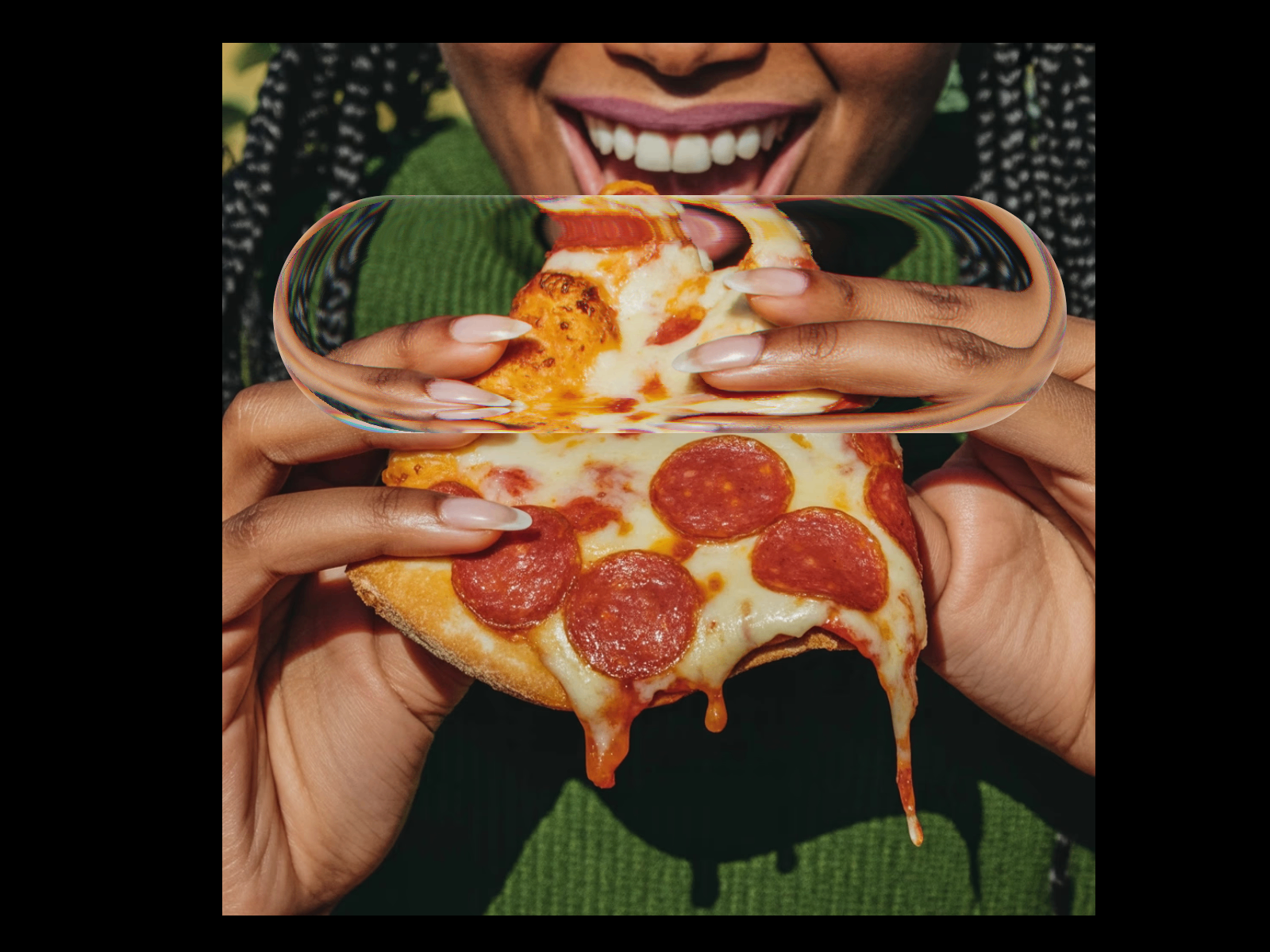
GlassSurfaceFX — Adaptive frosted glass surface with chromatic distortion and nested content
by DiverseKit
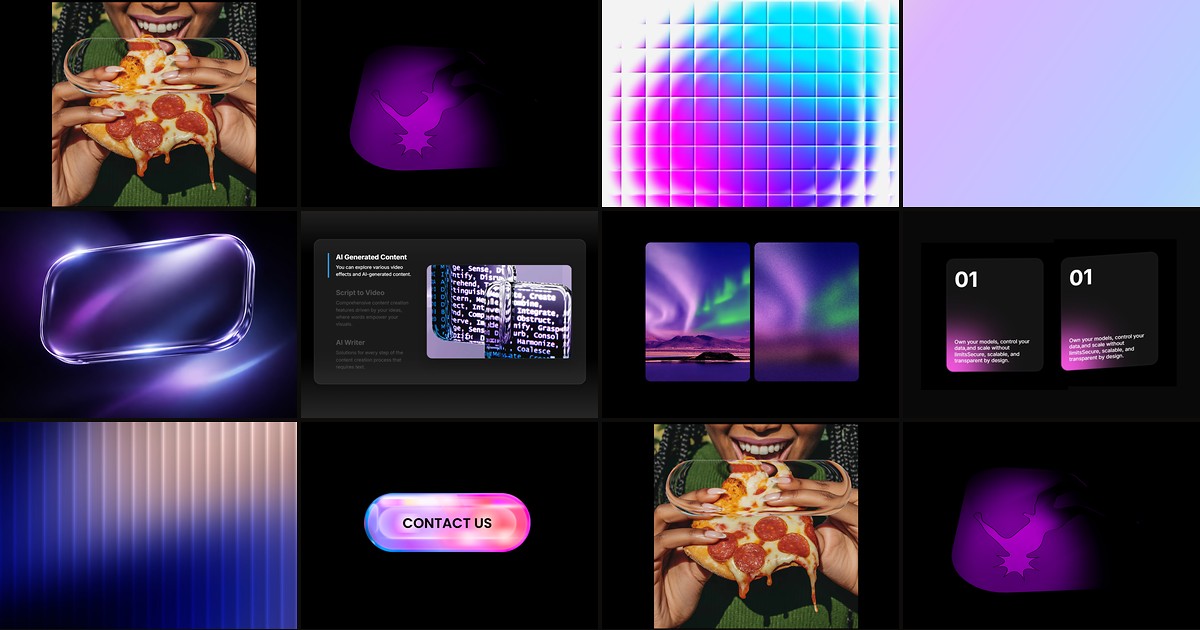
GlassSurfaceFX is the most complete layout-level glass pick on this list: drop text, buttons, or entire component instances inside the surface and tune border radius, brightness, saturation, and RGB chromatic aberration from the property panel. Adaptive lighting shifts between light and dark themes without rebuilding variants, and distortion blend modes add depth that flat backdrop-filter frames cannot match. At 19 USD it replaces multi-day custom glass override work when the brief calls for a reusable panel primitive across a whole site system.
- Best for
- Dashboard panels, pricing cards, and hero overlays that must host real Framer layers inside the glass
Affiliate link — we may earn a commission at no extra cost to you.
LiquidGlass — WebGL liquid lens with cursor tracking, chromatic aberration, and touch support
by Inam
LiquidGlass runs a WebGL engine that bends content beneath a fluid lens — chromatic separation, edge pinch, fisheye distortion, and up to sixty floating lenses that merge like water droplets when liquid mode is enabled. Reflection smears, blur strength, and tint color are all exposed without writing GLSL, and native touch tracking keeps mobile experiences coherent. Reach for it when static frosted rectangles feel too flat and the hero must react to cursor movement at 15 USD.
- Best for
- Interactive hero sections where glass distortion should follow the visitor's pointer or thumb
Affiliate link — we may earn a commission at no extra cost to you.
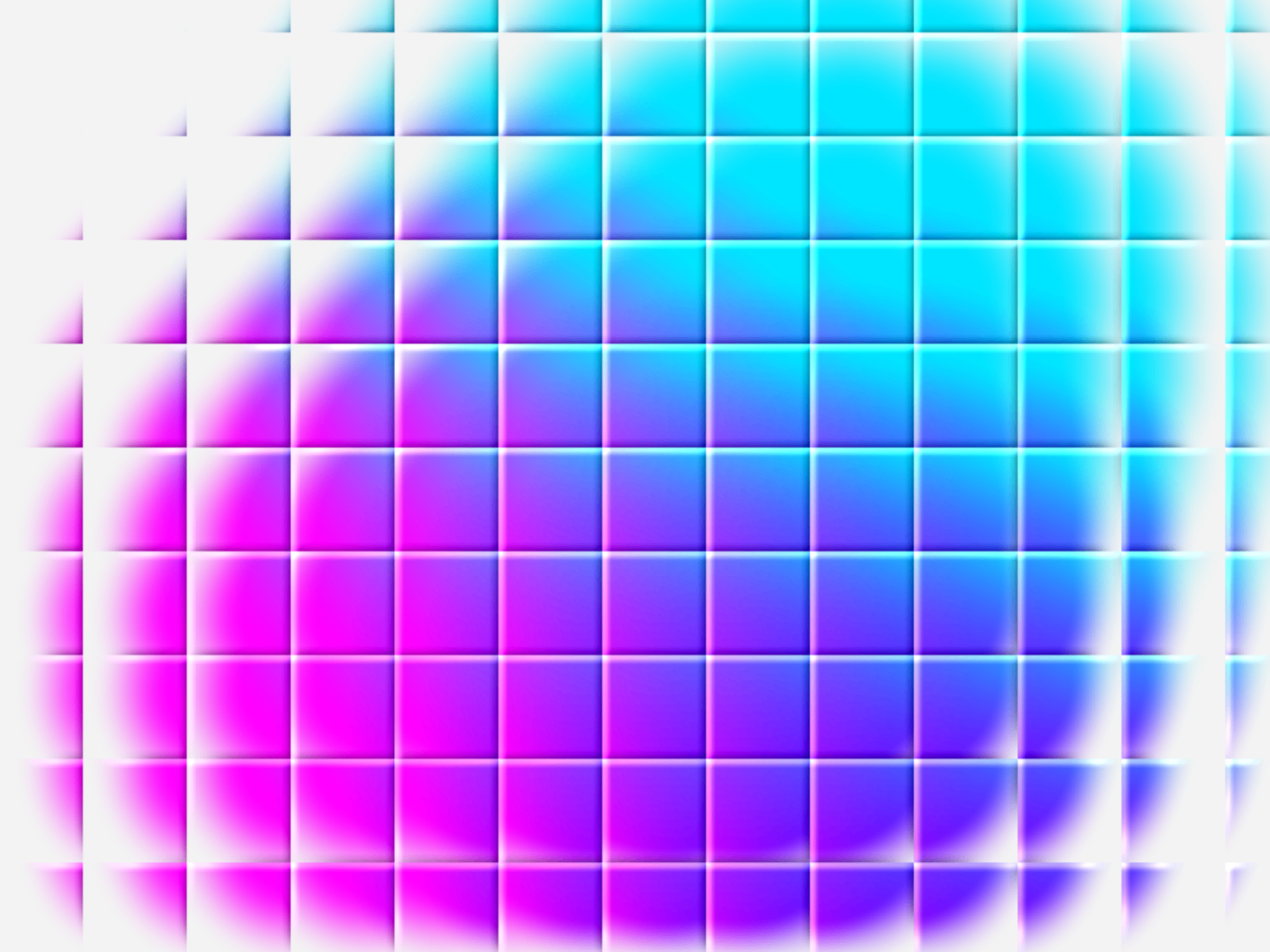
Scroll Glass Grid — WebGL frosted glass blocks with scroll parallax and morphing color blobs
by Alpheratz
Scroll Glass Grid renders a grid of frosted glass blocks over morphing fluid gradient blobs, then syncs parallax shift to page scroll through a sticky canvas layout. GLSL shaders and a visibility sensor target 60fps while preserving battery on long pages — refraction, edge highlights, and shadow depth are all dialable. At 5 USD it is the strongest value background when the entire section should feel like looking through architectural glass as users scroll.
- Best for
- Full-page immersive backgrounds on agency and SaaS sites that need depth without video weight
Affiliate link — we may earn a commission at no extra cost to you.

Pure Glass Gradient — Flat animated gradient with native backdrop blur and zero border clutter
by Alpheratz
Pure Glass Gradient strips glassmorphism back to essentials — four gradient color stops, adjustable blur and opacity, and slow horizontal, vertical, or diagonal motion without borders, shadows, or corner radius noise. Native CSS backdrop-filter keeps performance predictable on content-heavy pages, and auto-fill sizing removes parent-container headaches. Install it when the design system favors clean, high-key palettes and the glass layer should whisper rather than shout at 5 USD.
- Best for
- Minimal hero backgrounds and full-bleed sections that need glass texture without heavy chrome
Affiliate link — we may earn a commission at no extra cost to you.
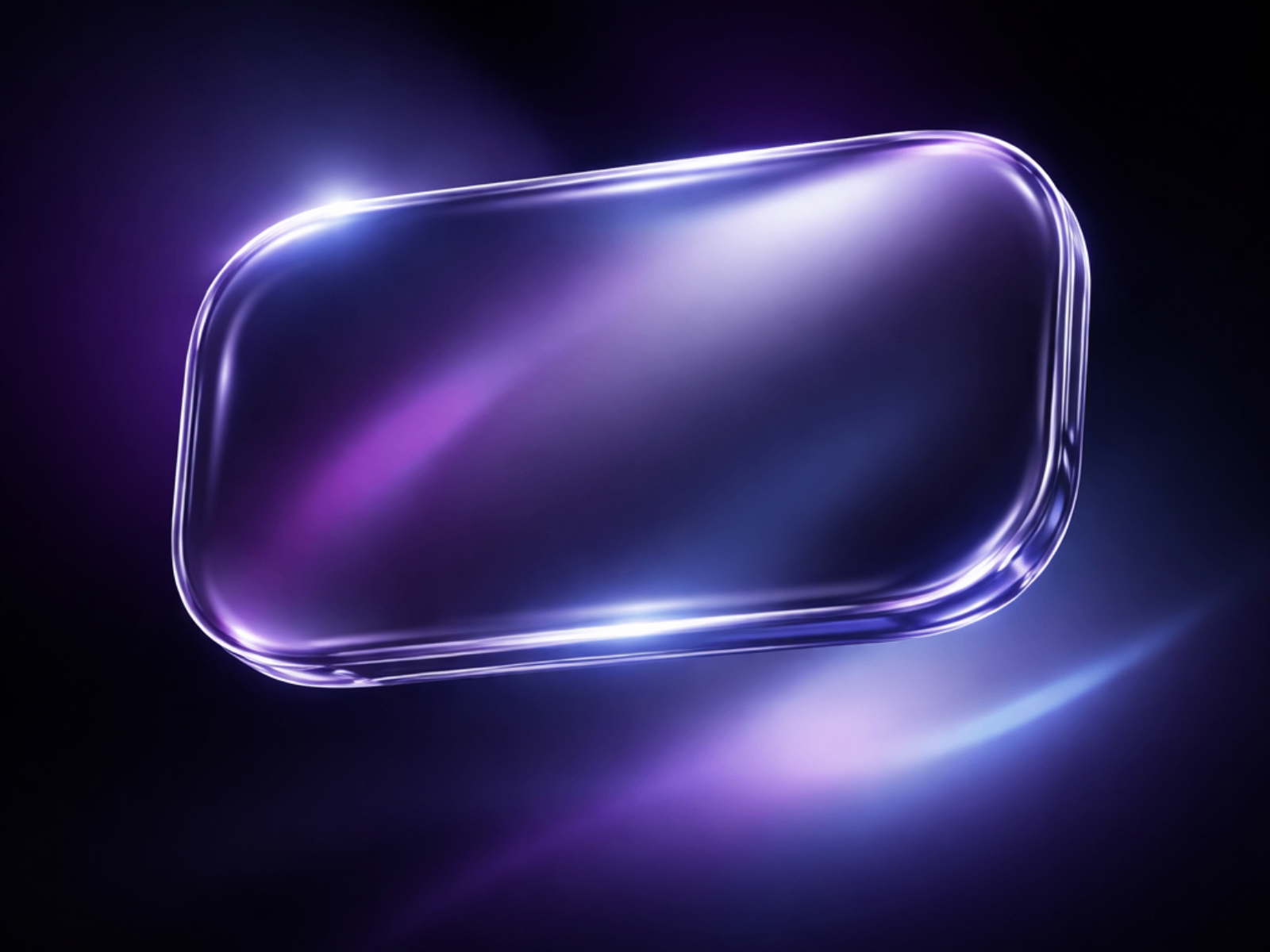
Liquid Glass Surface — SVG-powered liquid refraction for buttons, cards, and navigation bars
by Erfan K.
Liquid Glass Surface uses SVG displacement and chromatic edge separation instead of basic blur alone, so backgrounds gently bend through the surface like fluid glass. Strength scales from subtle frost to bold refraction, making one component cover glass buttons, dashboard cards, and header bars. At 4 USD it is the pragmatic pick when you need Apple-style liquid glass on interactive elements but do not want to budget for a full WebGL hero engine.
- Best for
- Compact UI chrome — CTAs, floating cards, and nav pills that need liquid glass without WebGL overhead
Affiliate link — we may earn a commission at no extra cost to you.
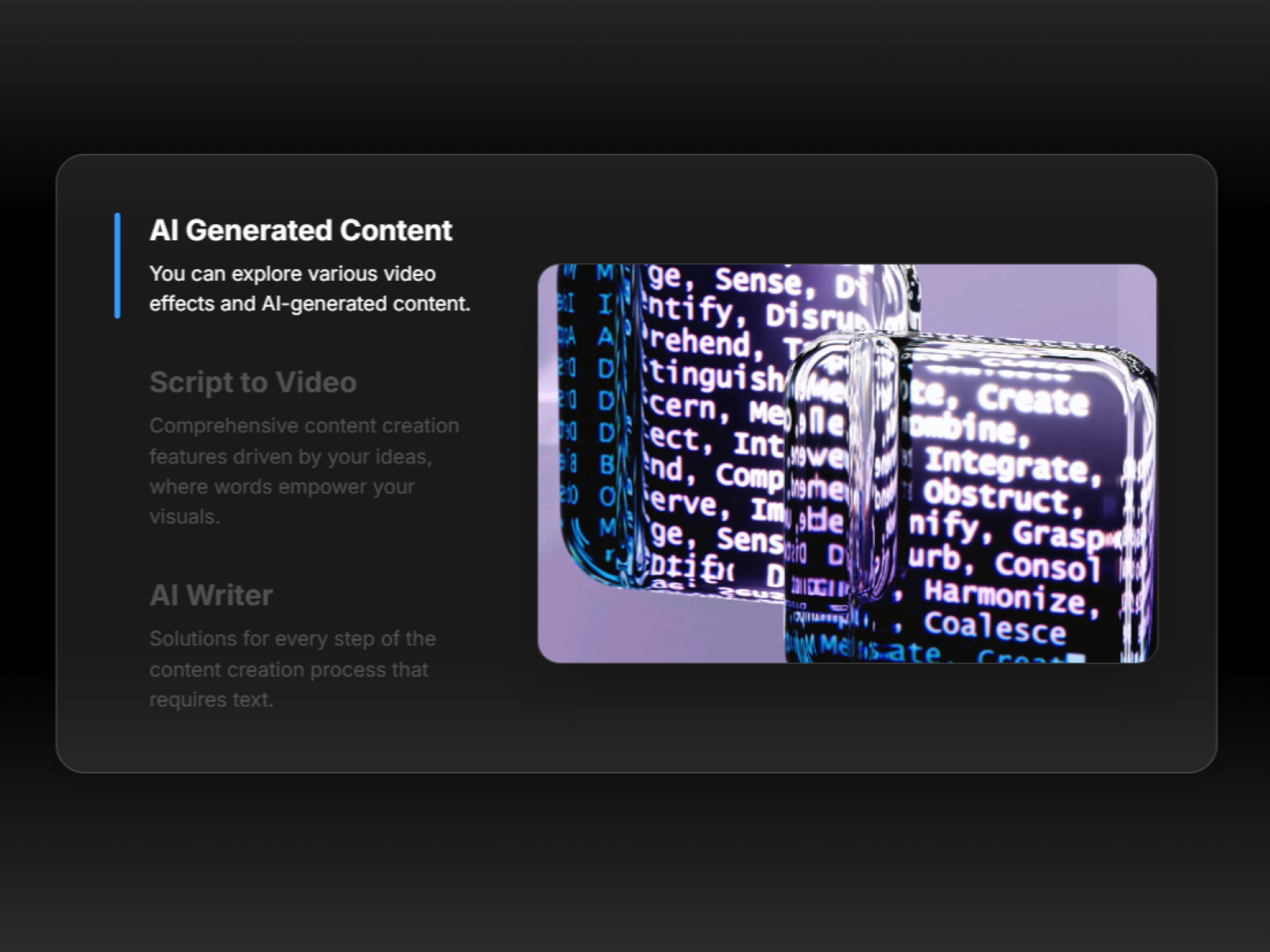
Glass Feature Tabs — Frosted-glass feature list with image and video switching
by Alpheratz
Glass Feature Tabs pairs a frosted backdrop-filter shell with a media player that swaps images or MP4 videos on hover, click, or auto-play interval. Toggle glass mode, tune blur intensity, and pick fade, slide, or scale transitions without rebuilding variants. The component looks best over gradients or photography — exactly the layouts where flat white feature sections feel generic. At 4 USD it combines two common brief items — glassmorphism and feature exploration — in one install.
- Best for
- Product landing pages where feature copy sits on a glass panel over colorful gradients
Affiliate link — we may earn a commission at no extra cost to you.
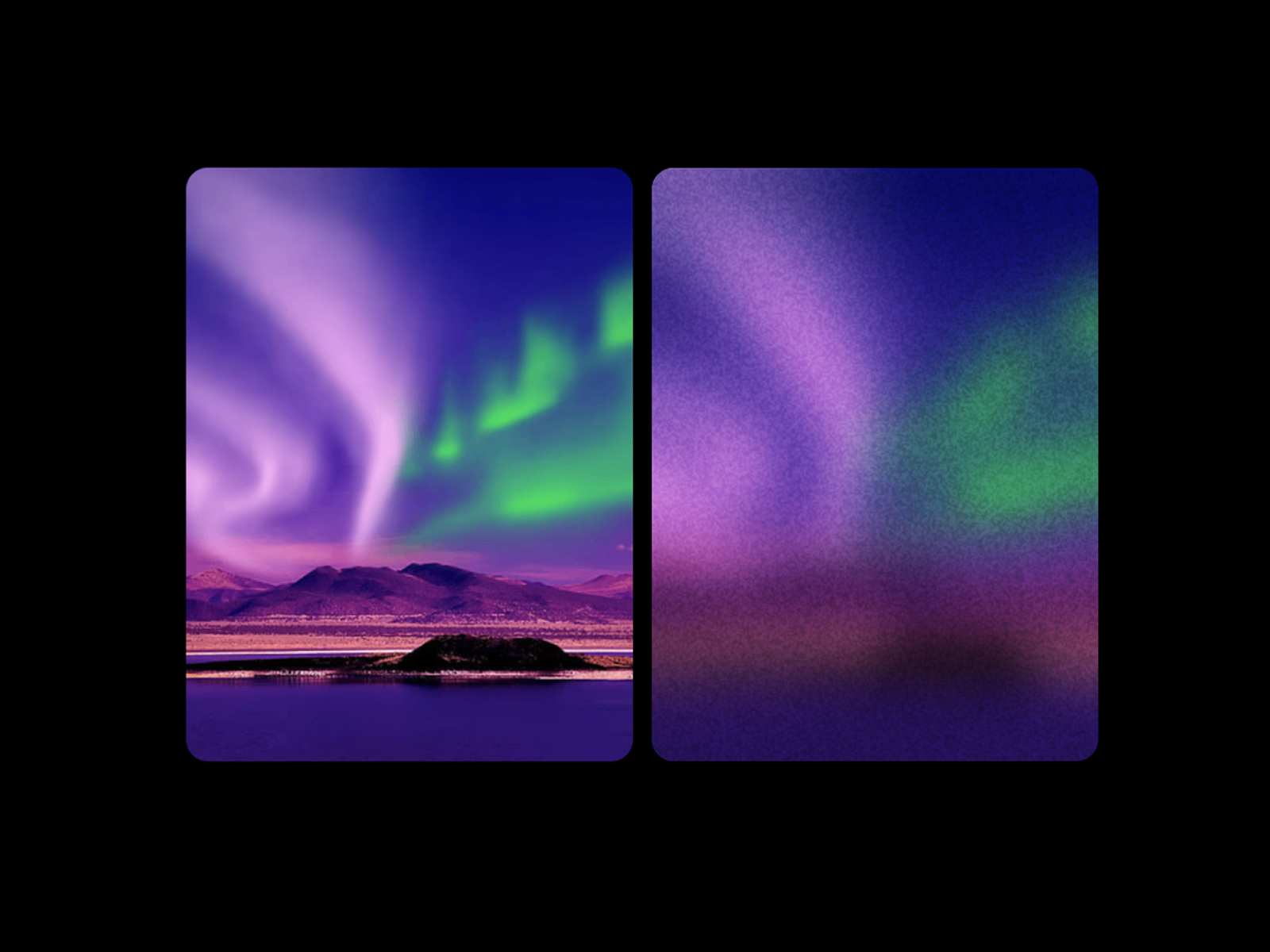
Noisy Blur — Frosted blur overlay with adjustable film-grain texture
by Nabeel
Noisy Blur layers backdrop blur with a procedural noise pattern so frosted panels pick up subtle film grain instead of sterile plastic smoothness. Noise amount, opacity, and blur strength are independent — push grain for editorial mood or keep it whisper-quiet for SaaS dashboards. Drop it above photography or video when the art direction calls for textured glass rather than clinical transparency at 4 USD.
- Best for
- Image overlays, modals, and hero photos that need glass blur plus analog grain
Affiliate link — we may earn a commission at no extra cost to you.
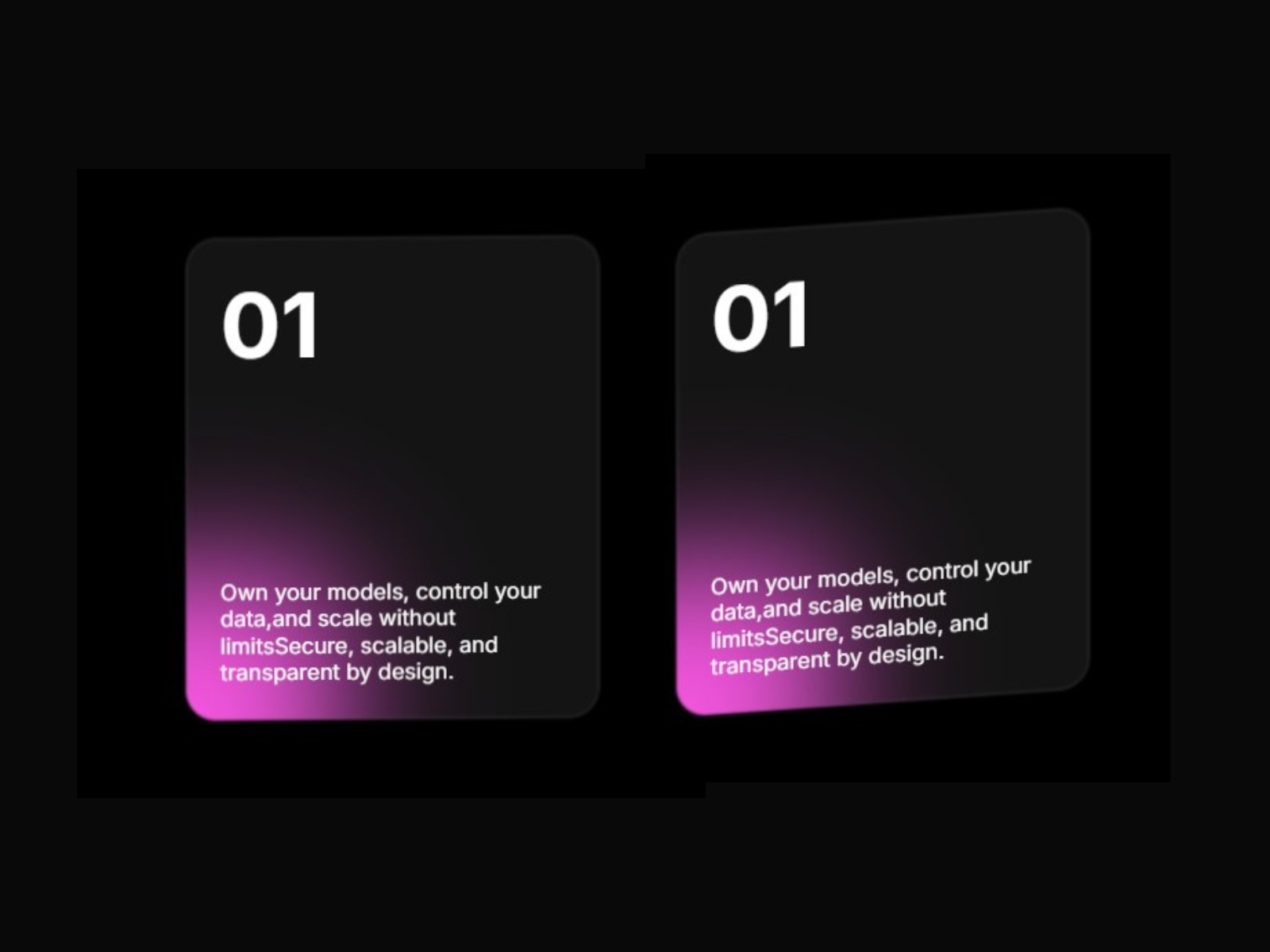
Glassmorphism Card — Frosted card with 3D hover tilt and soft glow
Glassmorphism Card ships frosted blur, transparency, border radius, and a smooth 3D tilt on hover with configurable glow color and strength. It is lightweight enough for dense landing pages and responsive across breakpoints without WebGL dependencies. Start here free when the brief is three or four glass feature tiles — not a full-page shader background — and you want polish before committing to paid surfaces.
- Best for
- Feature grids, stats blocks, and pricing teasers that need motion-rich glass cards at zero cost
Affiliate link — we may earn a commission at no extra cost to you.
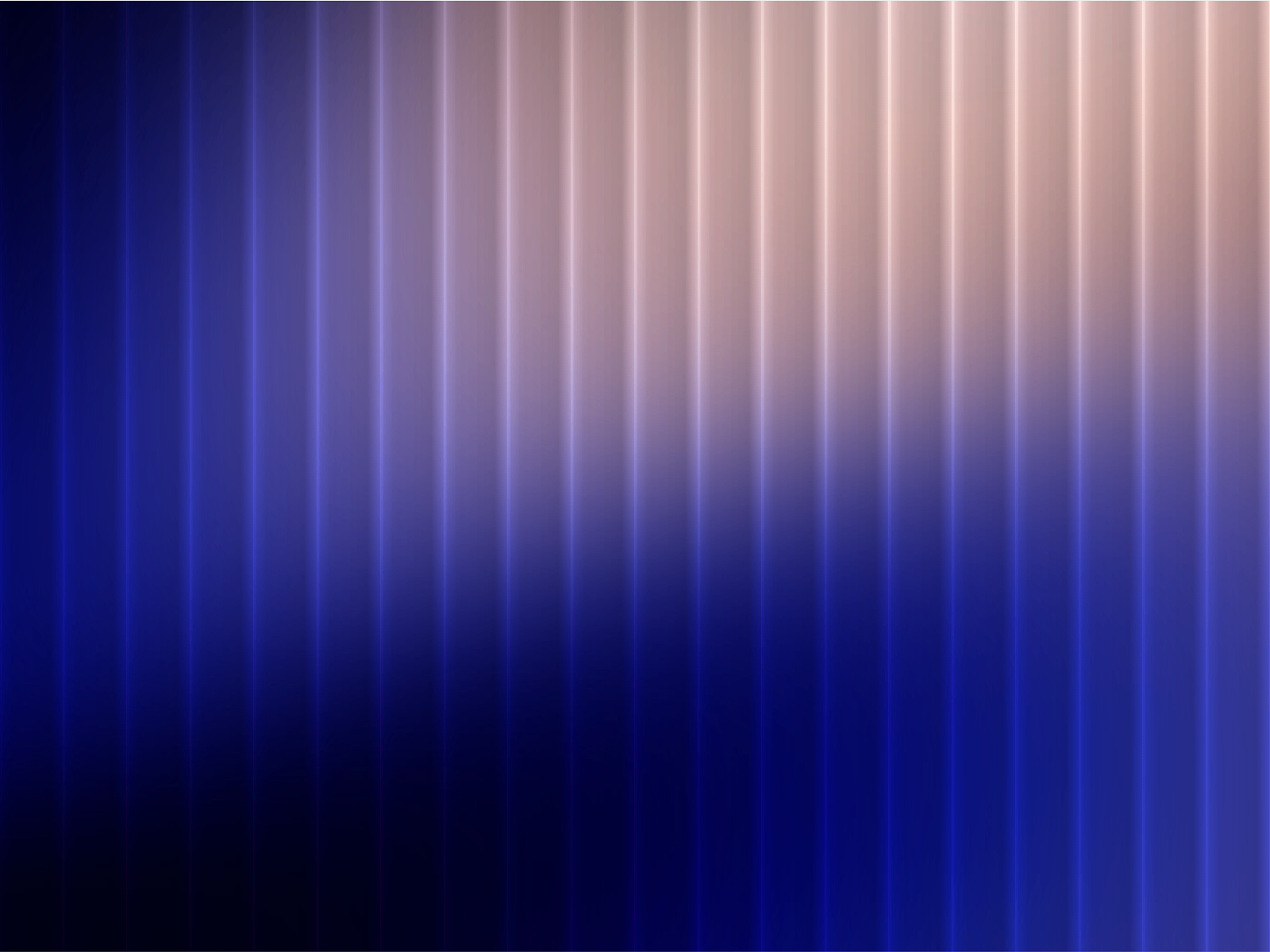
Fractal Glass Effect — Reeded glass stripes in column, row, or grid patterns
by Shovo Poddar
Fractal Glass Effect simulates reeded and fluted glass through CSS backdrop filters — switch between vertical columns, horizontal rows, or a multi-directional grid, then tune density from two to fifty elements. Six blend modes and custom tint colors let the pattern sit over photography without washing out contrast. It is free, performant, and the right overlay when plain blur feels too generic but WebGL is overkill for the section budget.
- Best for
- Hero overlays and card backgrounds that need architectural fluted-glass texture
Affiliate link — we may earn a commission at no extra cost to you.
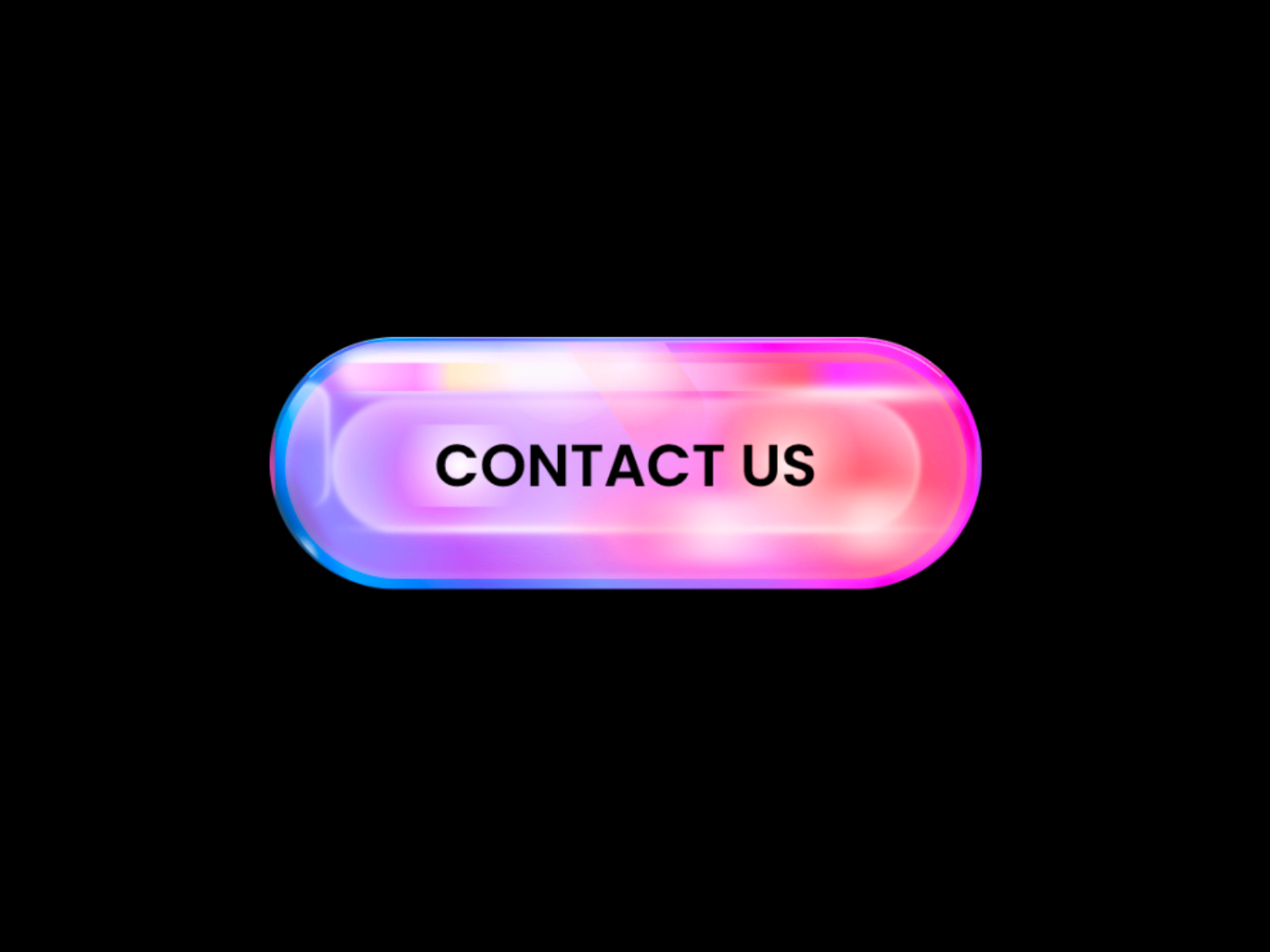
Aurora Glass Button — Aurora-tinted glass CTA with frosted styling
by Troy Miller
Aurora Glass Button wraps a call-to-action in frosted glass with aurora color shifts — enough visual interest for hero CTAs without importing a full button kit. Troy Miller ships it free, so pair it with Glassmorphism Card on the same page when cards and buttons should share a glass vocabulary. Use it when the conversion element must feel premium but the project cannot absorb another paid license.
- Best for
- Primary and secondary buttons on dark or gradient heroes that need glass affordance
Affiliate link — we may earn a commission at no extra cost to you.
Quick comparison
| Resource | Price | Type | Best for |
|---|---|---|---|
| GlassSurfaceFX | 19 USD | Component | Nested glass panels with chromatic edges |
| LiquidGlass | 15 USD | Component | Cursor-driven WebGL liquid lens |
| Scroll Glass Grid | 5 USD | Component | Scroll parallax glass block backgrounds |
| Pure Glass Gradient | 5 USD | Component | Minimal full-bleed glass gradients |
| Liquid Glass Surface | 4 USD | Component | SVG liquid glass on buttons and cards |
| Glass Feature Tabs | 4 USD | Component | Frosted feature tabs with media swap |
| Noisy Blur | 4 USD | Component | Blur plus film-grain texture overlay |
| Glassmorphism Card | Free | Component | Interactive tilt glass feature cards |
| Fractal Glass Effect | Free | Component | Reeded fluted-glass pattern overlays |
| Aurora Glass Button | Free | Component | Aurora-tinted glass CTAs |
How to choose the right Framer glassmorphism component
Separate backgrounds from content surfaces. Scroll Glass Grid and Pure Glass Gradient own full-section atmosphere — place them behind copy, not inside dense card grids. GlassSurfaceFX and Liquid Glass Surface wrap interactive UI where visitors read and click. Mixing a WebGL background with a nested glass panel works; stacking two WebGL heroes on one viewport does not.
Match rendering cost to scroll depth. LiquidGlass and Scroll Glass Grid justify their GPU use on above-the-fold heroes and case-study openers. For mid-page feature cards, Glassmorphism Card and Fractal Glass Effect stay CSS-native and keep long pages smooth on mid-range phones. Test on real hardware before committing a WebGL block to every section.
Decide between blur-only and refracted glass. Noisy Blur, Pure Glass Gradient, and Fractal Glass Effect deliver classic frosted aesthetics cheaply. Liquid Glass Surface, LiquidGlass, and GlassSurfaceFX add chromatic separation and distortion when the brand wants liquid or architectural glass rather than a simple matte overlay.
Budget free first, then upgrade the hero. Glassmorphism Card, Fractal Glass Effect, and Aurora Glass Button cover most card-and-button needs at zero cost. Spend the license fee on one premium centerpiece — GlassSurfaceFX for nested panels or Scroll Glass Grid for immersive scroll — rather than buying three mid-tier backgrounds that compete visually.
Our top pick for most Framer builders
If you need one paid glass primitive that hosts real content, GlassSurfaceFX at 19 USD is the most flexible — nested layers, theme adaptation, and chromatic control in a single layout component. For scroll-driven immersion on agency homepages, Scroll Glass Grid at 5 USD delivers the strongest background value. On a zero budget, install Glassmorphism Card and Fractal Glass Effect first, then add Aurora Glass Button for matching CTAs.
Browse Framer templates on yoframer for landing pages with glass-ready hero sections, or read our 3D and WebGL components roundup when distortion effects need to go beyond frosted blur. More resource roundups live on the Resources hub.
Updated July 2026. We refresh this list as notable glass components ship, reprice, or go stale.